
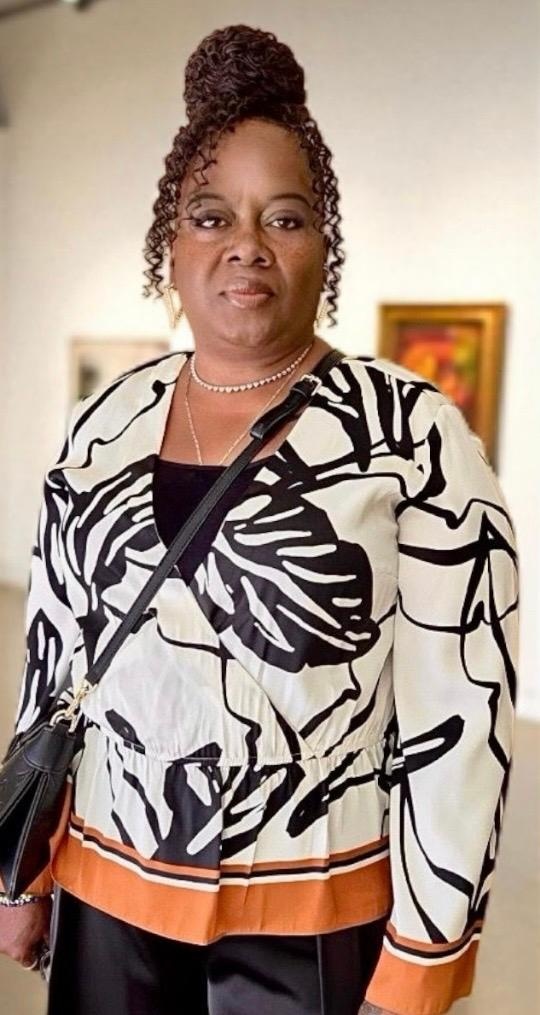
Capitalizing on the Culture: What Music Creators Should Know About Owning Their Work By Dr. Tara S. Merchant, J.D.
Black music has influenced the world for generations.
From R&B, soul, gospel and hip-hop to jazz, funk, blues and beyond, Black artists, songwriters, producers, musicians and creators have shaped sounds and movements that continue to influence popular culture.
But there is an important question every music creator should be asking:
Who owns what you created?
Being the person who wrote the song, created the sound, developed the concept or made the performance famous does not necessarily mean you own every legal right connected to it.
That distinction can make a major difference when a song, recording, brand or creative concept starts generating serious money.
It's More Than a Check
Artists understandably focus on the check.
How much am I getting paid for this session?
What is my advance?
What's my fee for the show?
What are they offering for the song?
Those questions matter. But there is another question worth asking:
What am I giving up in exchange for that payment?
In the music business, contracts can determine who owns or controls compositions, sound recordings, publishing interests, trademarks, performances and other intellectual property.
A deal that looks good today can have very different financial implications years later if the music becomes a hit, is sampled, licensed for a movie or commercial, placed in a television series, streamed around the world or otherwise generates new revenue.
That's why understanding the paperwork matters just as much as understanding the music.
Know Your Rights Before You Sign
Intellectual property can include copyrights, trademarks, patents, trade secrets and other legally protected rights.
For music creators, copyright is particularly important because it can involve different rights in a composition and a sound recording.
For example, writing a song and recording that song can involve different ownership interests.
That's why artists should understand questions such as:
Who owns the publishing?
Who owns the master recording?
Who receives royalties?
What percentage do I control?
Am I licensing my work or assigning my rights?
How long does the agreement last?
Can the other party transfer those rights?
These are not just questions for lawyers or record executives. They are business questions for creators.
Licensing Is Not the Same as Giving It Away
One of the most important distinctions for creators to understand is the difference between a license and an assignment.
A license generally gives another party permission to use intellectual property under agreed terms while ownership can remain with the rights holder.
An assignment can transfer ownership itself.
Those are very different arrangements.
If someone wants to use your music, voice, image or other creative property, don't look only at the amount being offered. Look at what rights they are asking for in return.
Ask:
What exactly can they use?
Where can they use it?
For how long?
Is the agreement exclusive?
Can they sublicense or transfer the rights?
Will I receive additional compensation if the use expands?
The answers can matter long after the original check has been spent.
Your Name, Image and Voice Have Value Too
Today's music business extends well beyond songs and recordings.
Artists have personal brands. They have distinctive voices, images, performances, catchphrases, logos and other elements associated with their identities.
Artificial intelligence and digital technology are adding another layer.
Voice cloning, digital replicas and other forms of technology can create new opportunities, but they also raise questions about authorization, compensation and how a creator's identity or work may be used.
The laws governing these emerging technologies continue to develop, and rights can vary depending on the circumstances and jurisdiction.
That makes clear contracts especially important.
Before signing, creators should understand whether an agreement addresses their name, image, likeness, voice, performance or digital replicas, and exactly what uses are being authorized.
Think Beyond the Song
One of the biggest shifts a music creator can make is learning to think beyond the immediate project.
Instead of asking only:
"How much am I getting paid?"
also ask:
"What am I building?"
Maybe it's a publishing catalog.
Maybe it's a record label.
Maybe it's a production company.
Maybe it's a trademark.
Maybe it's a brand.
Maybe it's ownership in the masters.
Maybe it's a body of creative work that can generate licensing opportunities for years.
Ownership does not guarantee financial success. But understanding what you own, what you control and what you have agreed to give someone else can put you in a stronger position to make informed business decisions.
Don't Let the Fine Print Become Your Biggest Hit
Many artists spend years perfecting their craft but only minutes reviewing the contracts connected to it.
That's backwards.
Your music may be your art, but the rights surrounding that music are also business assets.
Before signing an agreement, understand the terms. If you don't understand something, ask questions. And when the deal involves significant rights or money, consider having an experienced entertainment attorney review it.
Documentation matters too.
Keep copies of contracts, registrations, split sheets, licenses and other records showing your involvement and ownership interests.
Your future self may be glad you did.
Protect the Culture by Understanding the Business
Black creators have always created culture.
The opportunity today is to become more intentional about understanding the business and legal structures surrounding that creativity.
That doesn't mean every artist needs to become a lawyer.
It means artists should become better informed business owners.
Know the difference between a composition and a master.
Understand publishing.
Know what you're licensing.
Know what you're assigning.
Read the contract.
Document your contributions.
Protect your brand.
And think about the long-term value of what you're creating.
The culture has already proven that it can create enormous influence.
For today's music creators, the conversation is also about understanding how that influence can translate into sustainable economic participation.
Create the music. Understand the rights. Read the contract. Build the asset. Protect the legacy.
Because making the music may start the journey, but understanding what you own can help determine where that journey leads.
Dr. Tara S. Merchant, J.D.
Legal Disclaimer: Dr. Tara S. Merchant, J.D., provides legal commentary and information for educational purposes. This column does not constitute legal advice or establish an attorney-client relationship. Laws vary by jurisdiction, and readers should consult a qualified attorney regarding their individual circumstances.